
Boot Repair in Perth: What a Local Cobbler Can Actually Save
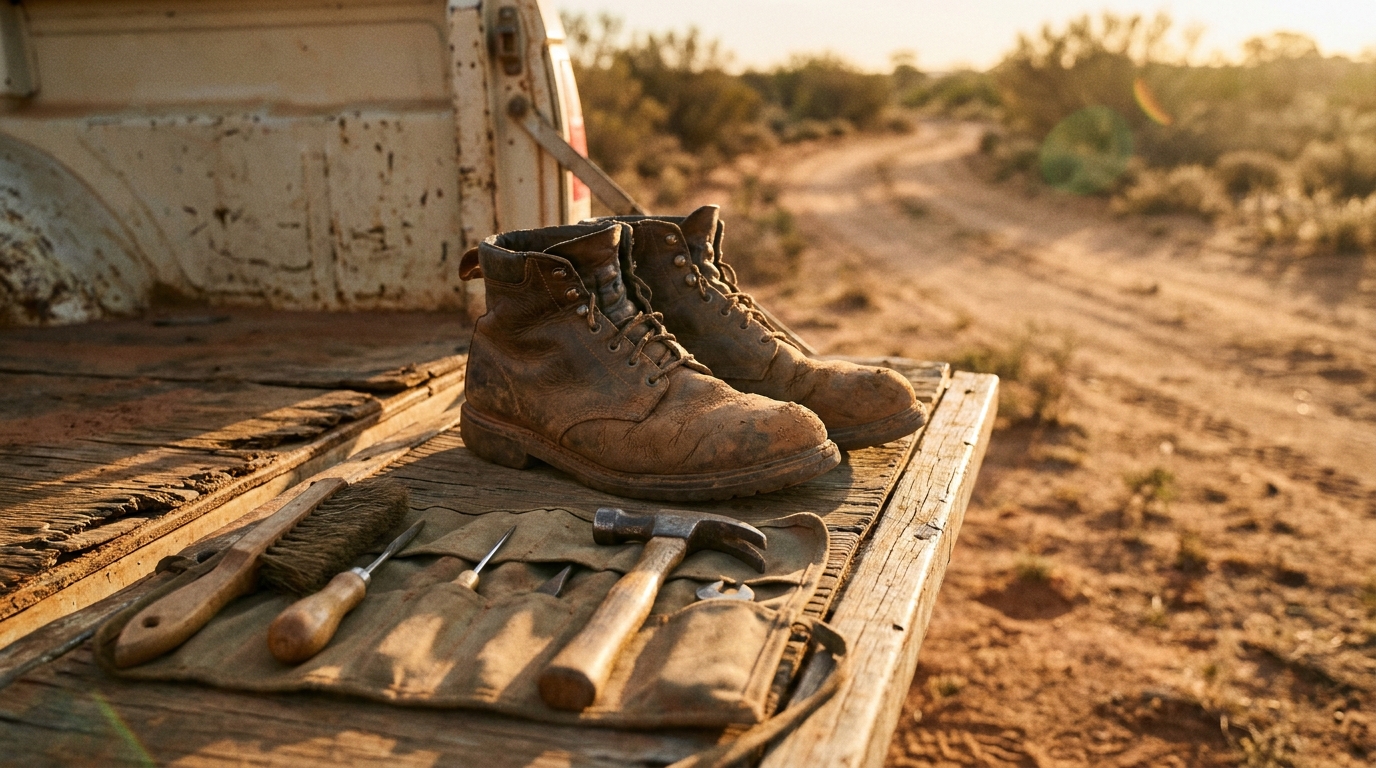
Perth chews through boots faster than most cities admit. Red dust off the Kalgoorlie road, salt air off Fremantle, five months of relentless UV a year — leather that would last a decade in Hobart can crack and delaminate in three summers here. So the real question for most Perth boot owners isn’t “can this be fixed,” it’s “is it still worth fixing,” and that’s a call worth getting from a cobbler before you write the boots off.
What a Perth cobbler can actually bring back
Boot repair covers more ground than most people expect, and a good boot repair job is rarely just “new soles.” Depending on how the boot was built, a cobbler can typically:
-
Resole a worn-through outsole, provided the upper and welt are still sound
-
Rebuild a heel — stacked leather heels and moulded rubber heels wear at different rates and get replaced differently
-
Restitch a Goodyear-welted boot without touching the upper, since the welt is designed to be unstitched and restitched (worth reading what a Goodyear welt actually is if you’re not sure whether yours has one)
-
Recondition and re-oil sun-dried leather that’s gone stiff and pale, rather than replace it
-
Patch or re-stitch a split seam or a torn vamp on a boot that’s otherwise in good shape
-
Replace a zip or eyelet on a pull-on or lace-up boot without redoing the whole upper
What a cobbler generally can’t save: a boot that’s been cemented (glued) rather than welted and has delaminated at the sole — the bond usually isn’t repairable in a way that holds — or a boot where the leather itself has rotted or the stitching has failed right through the upper, not just at a seam. If a shop tells you a resole won’t hold because of how the boot was made rather than just quoting you a price, that’s usually an honest answer, not a sales pitch to buy new ones.
Why Perth conditions are harder on boots than most places
Three things do most of the damage locally, and each one calls for a slightly different fix:
UV and dryness. Leather needs the oils in its fibres to stay flexible. Perth’s dry heat and long UV exposure pull that moisture out fast, especially on boots left in a car or on a verandah. The leather goes stiff first, then cracks at the flex points — across the vamp, where the boot bends when you walk. Once it’s cracked through, no amount of conditioning fixes it; a cobbler can patch or re-vamp in some cases, but prevention (regular conditioning, keeping boots out of direct sun) is cheaper than repair.
Red dust and grit. Fine ironstone dust works its way into stitching and welt channels on anything worn on site or on unsealed roads. Left long enough, it abrades stitching from the inside. A resole is often the point where a cobbler also cleans out and re-waxes the welt channel, which is worth asking for specifically rather than assuming it’s included.
Salt air. Anything worn near Fremantle, Scarborough or the coast picks up salt in the leather and hardware. Salt is hygroscopic — it keeps drawing moisture in and out of the leather, which accelerates cracking and corrodes zips and eyelets faster than the same boot would wear inland. Rinsing salt off after a beach walk and re-oiling more often than you would inland genuinely extends the life of coastal boots.
Work boots, hiking boots and RM Williams: different repair economics
Perth’s boot repair demand skews heavily toward two categories that don’t always get covered in generic care guides: steel-cap work boots and hiking boots.
Work boots are usually built to be repaired — most quality brands use a Goodyear welt or a stitchdown construction precisely so the sole can be replaced without retiring the boot, and a resole is almost always cheaper than a new pair once you’ve already broken them in to your feet. The catch is timing: once the steel cap has shifted or the midsole has fully compressed, a resole won’t restore the support, and it’s genuinely time to replace them.
Hiking boots vary more by brand and price point. A mid-to-premium leather hiking boot with a stitched or welted sole is usually worth resoling — the upper often outlasts several sole units. A budget hiking boot with a glued EVA sole usually isn’t; the repair can cost close to what the boot cost new, and the foam midsole degrades regardless of what you do to the sole.
RM Williams boots are common enough in Perth to deserve a specific note: they’re built to be resoled repeatedly on their original last, and a specialist who’s done it before will get a noticeably better result than a generalist repairer, since matching the last and welt properly is part of what you’re paying for.
Finding a cobbler in Perth who does boot work well
Not every Perth shoe repair shop takes on boot work — a lot of CBD and shopping-centre kiosks are set up for quick heel tips and key cutting rather than full resoles or welt repairs. Look for a workshop that specifically lists boot repair, asks what the boot is made of before quoting, and can tell you whether it’s Goodyear-welted, stitchdown or cemented construction — that answer determines both the price and what’s actually possible.
Two Perth repairers who take on boot work specifically: Bodkin’s Bootery in Fremantle, and The Expert Bootmakers and Repairers in East Victoria Park, which also handles Goodyear welt work, RM Williams boots and motorcycle boots. Browse the full list of verified Perth shoe and boot repairers on Stitch & Sole if neither is convenient for you.
Always get a quote and a construction check before committing — the price swings a lot depending on whether the boot is welted or cemented, and a good cobbler will tell you that upfront.