
How Much Does a Shoe Resole Cost in Perth?
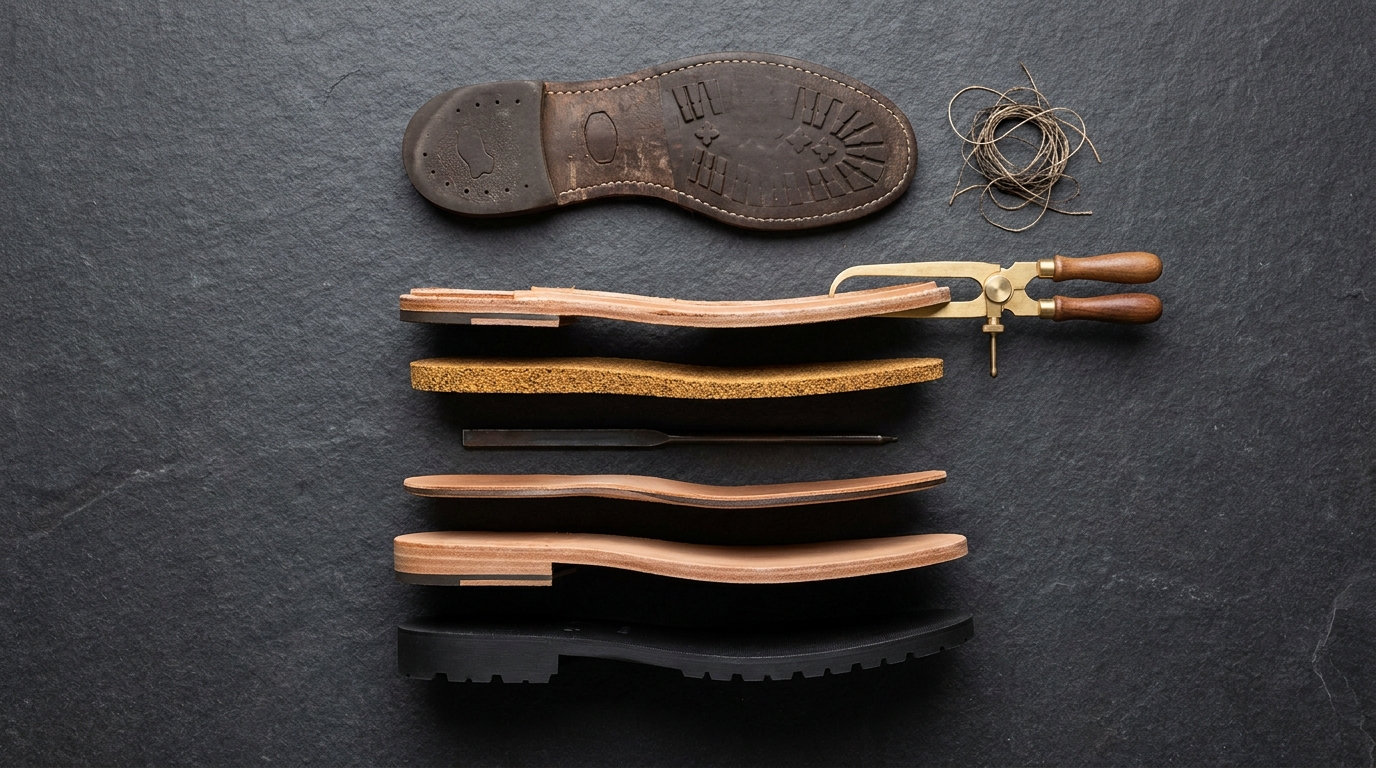
A cracked heel or a sole worn through to the stitching doesn’t mean a shoe is finished. In most cases it means one job, a resole, and the only real question is what that job should cost. Perth’s cobbler trade doesn’t get talked about as often as Melbourne’s or Sydney’s, but the pricing logic holds everywhere a sole gets replaced: what the shoe is built like decides what the job costs, not which capital city you’re standing in.
What actually drives the price
-
Construction type — a cemented (glued) sole is the quickest and cheapest to replace, since the old sole is peeled off and the new one bonded on. A Goodyear-welted resole costs more, because the welt stitching has to be carefully unpicked and the new sole restitched by hand rather than just glued. A Blake-stitched shoe sits in between: there’s no welt to unpick, but the stitch line runs straight through the insole, so it still takes a practised hand and the right machine
-
Sole material — rubber is generally cheaper than leather, and a combination sole (leather tread with a rubber topy layer for grip) sits in the middle. A specialist rubber compound from a known soling manufacturer such as Vibram costs a little more than a generic rubber blank, but tends to outlast it and grip better in the wet
-
Brand and last — resoling on a shoe’s original last, to match the manufacturer’s own specifications, usually costs more than a generic resole, because the cobbler is matching a factory pattern rather than working freehand
Typical price bands
| Resole type | Typical cost |
|---|---|
| Basic glued or cemented resole | $60–$90 |
| Leather sole replacement | $90–$140 |
| Goodyear-welted full resole | $130–$190+ |
These are indicative Australian price bands rather than a confirmed Perth-wide average, so always get an itemised quote before committing. Welt condition, heel wear, and any stitching repair needed alongside the resole will all move the final number, and a shop that won’t give you a number before opening up the shoe is worth a second opinion.
Cemented, Blake-stitched, or Goodyear-welted: why it matters
Knowing which of the three your shoes use before you ask for a quote saves everyone time, and it changes what’s actually possible. A cemented sneaker sole usually can’t be resoled at all, only replaced with a new bonded sole, while a Goodyear-welted boot can often be resoled two or three times over its working life if the upper holds up. A Blake-stitched shoe falls somewhere between the two: resoleable, but the original stitch line limits how many times it can be redone before the insole gets too thin to restitch. If you’re not sure which construction your own shoes use, a longer explainer on the differences between a Goodyear welt, a Blake stitch, and a cemented sole is worth five minutes before you book anything in.
Is a resole worth it, or is it time to replace the shoes?
This is the question worth asking before the quote, not after. For a well-made leather shoe or boot with a sound upper, a resole is almost always the cheaper option and adds years of life for a fraction of the cost of buying new. The maths tips the other way once the upper itself is cracked through, the stitching elsewhere is failing, or the shoe was inexpensive and cemented to begin with — in which case a cobbler may tell you honestly that a resole isn’t worth the money. A straight-talking workshop will say so rather than take the job regardless, and it’s worth asking directly whether they think the shoe is a good candidate before you leave it with them. Our broader guide on when a repair is and isn’t worth it covers the feasibility side of this in more depth.
What Perth’s climate means for your shoes
Perth’s dry summers are generally kinder to stitching and adhesive bonds than a humid east-coast summer, where moisture can work into glue lines and stitching over time. The same dryness, though, pulls moisture out of leather fast. An upper that’s never conditioned can crack at the crease long before the sole itself wears through, which turns what should have been a straightforward resole into a bigger, more expensive job involving the upper as well. A light coat of leather conditioner every few months, more often over summer, costs a lot less than an early resole brought on by dry, cracked leather.
Finding a cobbler in Perth
A resole is only as good as the cobbler doing it, and it’s worth being a little selective. Look for a workshop that will walk you through the sole options before starting, can tell you plainly whether your shoe is Goodyear-welted, Blake-stitched, or cemented without having to look it up, and has recent reviews that mention resole work specifically rather than just heel tips or quick fixes. It’s also worth asking about turnaround up front: a basic resole commonly takes a matter of days, while a Goodyear-welted job that needs the welt unpicked by hand usually takes longer, and a mail-in service will add postage time on both ends.
A few Perth workshops that take on resole work: London Court Cobbler in the CBD, The Little Shoe Box Perth, also in the CBD, and Esa’s Cobbler Shop in Fremantle. Browse the full list of verified Perth shoe repair specialists on Stitch & Sole, or read more on what a resole actually involves if you’re still working out whether your shoes need one. If it’s not the sole that’s the problem, our guide to what a Perth cobbler can and can’t fix covers the rest of the trade, from heels to zips and everything in between.
Prices are indicative as of 2026 and vary by workshop. Always confirm the exact cost before booking a job in.