
Heel Repair in Melbourne: What a Local Cobbler Can (and Can't) Fix
Melbourne’s laneways are famous for good coffee, street art, and bluestone paving that has been underfoot since the 1800s. They’re less famous for what that paving does to a heel. Uneven bluestone setts, tram-track edges, long unbroken stretches of pavement between a parked car and an office door: a city built for walking is also a city that chews through heel tips faster than most people realise.
Melbourne hasn’t had a dedicated heel repair piece on this site before. Canberra has one, but that post leans on a different angle. This one is about why Melbourne’s own streets are part of the story, and what a local cobbler can actually do about it.
What “Heel Repair” Actually Covers
Heel repair is its own trade within shoe repair, separate from resoling. Three jobs come up again and again at a cobbler’s bench.
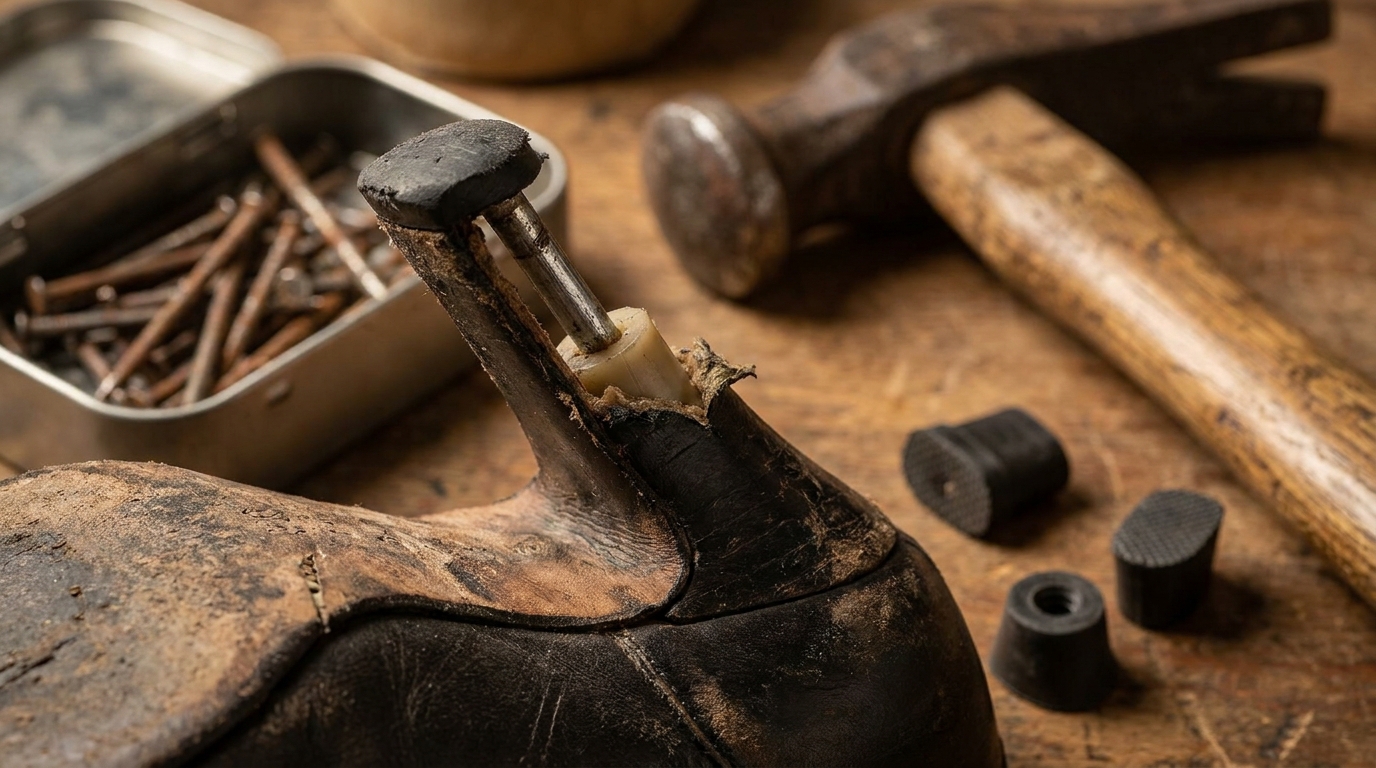
The most common is a heel tip replacement: swapping out the rubber or plastic cap on a stiletto or block heel once it’s worn through. It’s the quickest and cheapest job in the shop, and it’s the one most people put off for months longer than they should.
Less common, but not rare, is a full heel rebuild, needed when the heel’s own base — not just the tip — has cracked, chipped, or started leaning off true. This takes more material and more time than a tip swap.
Third is re-covering: block heels wrapped in fabric or leather (common on both dress shoes and work shoes) can have that covering replaced once it tears or frays, without touching the heel structure underneath.
None of this is the same job as resoling, which deals with the sole rather than the heel — the two wear at different rates and often need attention at different times, which is why it pays to have both checked rather than assuming one covers the other.
Why Melbourne’s Streets Are Part of the Problem
Melbourne’s CBD laneways are paved in bluestone, a volcanic rock quarried locally since colonial times and still a defining part of the city’s character. It’s also an uneven, high-friction surface compared to smooth concrete, and it holds water differently in Melbourne’s famously changeable weather.
None of this is measured data specific to heel wear — it’s the kind of pattern a Melbourne cobbler notices over years at the bench, not a published statistic — but the mechanism is straightforward: uneven stone encourages an uneven heel strike, tram-track edges catch a thin heel at exactly the wrong angle, and a CBD built around walking between laneways, trams, and train stations means more total steps per day than a lot of car-dependent cities. All of that adds up to heel tips wearing through sooner than the rest of the shoe.
Signs You Need Heel Repair, Not a Full Resole
A few signs point specifically to the heel rather than the sole:
The tip has worn down to the metal pin or hard plastic core, and you can feel or hear it click on tiled or timber floors. The heel feels like it’s leaning or tipping slightly when you’re standing still on flat ground. The shoe rocks instead of sitting flat when you set it down. In every one of these cases, the sole under the ball of the foot can still have plenty of life left — heel wear and sole wear don’t run on the same clock.
What a Cobbler Can — and Can’t — Fix
A cobbler can generally replace a worn heel tip on leather dress shoes, boots, and block heels without much drama — it’s routine work. They can rebuild a heel on a sound base, and re-cover a fabric or leather block heel once the covering’s gone. They can also reinforce a heel that’s started to work loose before it snaps off entirely.
Where it gets harder is cheaper, fast-fashion heels built around a fused plastic core rather than a traditional wood or layered-leather one, and construction type affects how a heel ages and whether rebuilding it is worth it. Once that core itself delaminates or cracks, repair options narrow — sometimes it’s fixable, often it isn’t worth the labour relative to the shoe’s value, and a straightforward explanation of what’s actually involved is worth reading before you commit either way. The honest answer varies shoe to shoe, which is exactly why it’s worth asking a cobbler to look at the specific pair rather than going on a general rule.
A Few Things That Buy You Time Between Repairs
You can’t out-walk Melbourne’s laneways, but you can slow down how fast they chew through a heel tip. Rotating between two or three pairs rather than wearing the same shoes daily spreads the wear out and gives leather time to dry properly between outings. Clear, self-adhesive heel protectors are a reasonable stop-gap if you can feel a tip wearing thin and can’t get to a cobbler straight away — they’re not a substitute for a proper repair, but they’ll stop a bad situation turning into an expensive one. The simplest rule of thumb: once you can hear or feel metal or hard plastic on the pavement, you’re past the point of putting it off.
Finding Someone Who Does This Properly in Melbourne
If you’re in the Melbourne area, The Cobbler’s Last in the CBD is one local option that handles heel repair alongside resoling and stitching — worth a look if you’d rather hand the job to someone who does it daily than attempt it yourself.