
Heel Repair in Canberra: What a Local Cobbler Can Actually Fix
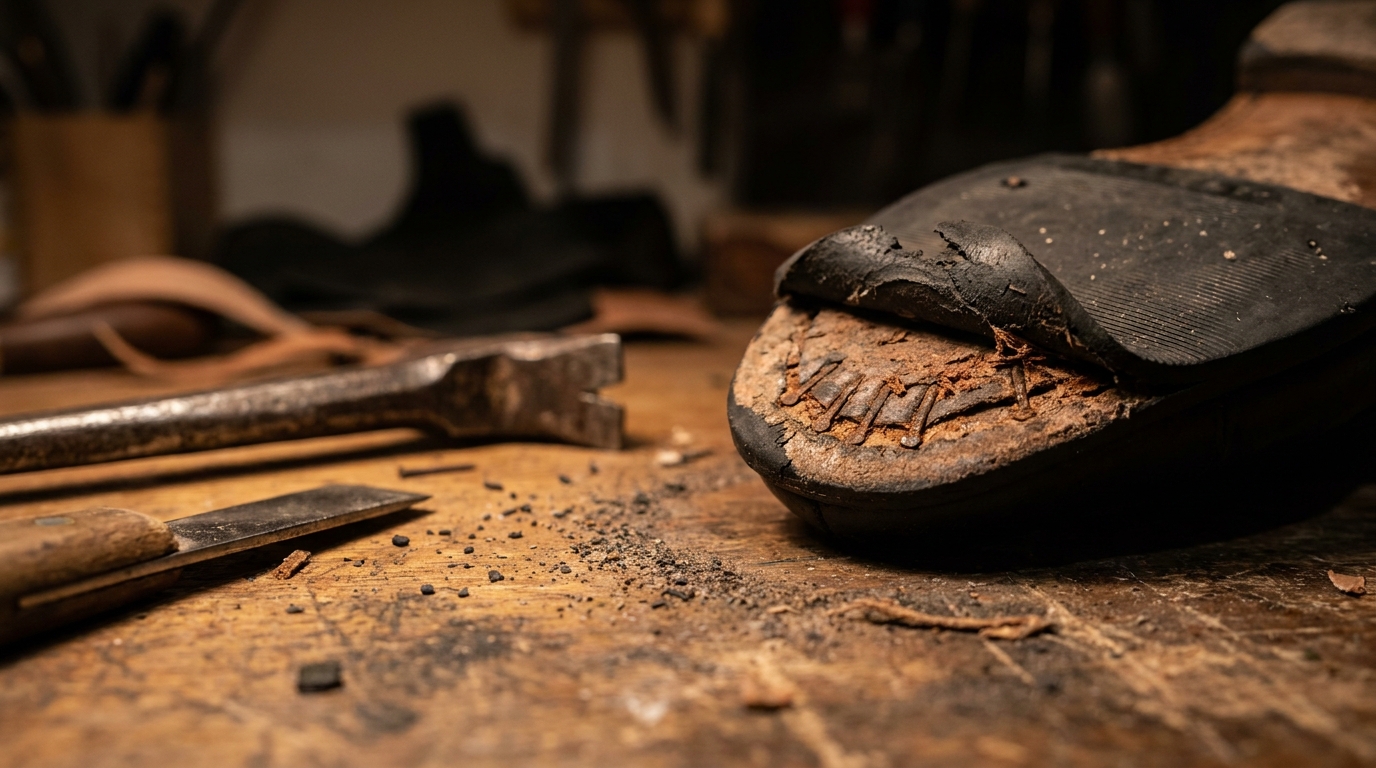
When your heel tells you before your eyes do
There’s a particular, lopsided clip a worn-out heel makes on pavement — you’ll hear it in the Canberra Centre car park before you ever think to look down. It’s one of the most common repair jobs a cobbler sees, and also one of the cheapest and fastest to put right. That’s the good news. The less good news is that “my heel’s worn out” can mean three or four genuinely different problems, and they don’t all have the same fix.
What’s actually wearing down
Most shoes and boots don’t have a single solid heel — they’re built up from layers (the heel stack), finished with a top piece: the replaceable disc of rubber or leather that’s the only part actually touching the ground. On a well-made shoe, that top piece is designed to wear out and be swapped, the same way a tyre tread is designed to wear down rather than the wheel underneath it.
What a cobbler is usually fixing, in rough order of how often it comes up:
-
A worn top piece. The quickest, cheapest job in the shop — the old one gets pulled or ground off and a new one is nailed or cemented on. If you’ve let it wear right down to the heel stack itself, you’ll know, because it starts sounding like a tap-dancing shoe, the repair gets a little more involved, since the stack itself may need building back up before a new top piece can sit flush again.
-
Uneven wear. A heel that’s wearing down on one corner faster than the other usually says something about how you walk — a cobbler can see it and tell you about it honestly, but diagnosing the why belongs to a podiatrist, not a workbench. What the cobbler can do is replace the piece evenly and buy you time before the next visit.
-
A failing heel block on a stacked leather heel, common on dress shoes and some boots, where the individual leather lifts themselves have started to separate or crumble, not just the rubber tip. This is a proper rebuild, not a quick swap, and it’s worth asking for upfront rather than being surprised by it.
For the deeper mechanics of how all this sits on the shoe, our Heel Repair Explained piece goes further into the anatomy of it.
The repair itself
For a standard top-piece swap, most Canberra cobblers will have you in and out same day, sometimes while you wait. The old piece comes off, the heel seat gets cleaned up and squared off, and a new piece — usually a moulded rubber disc, sometimes branded (Vibram is a name you’ll often see stamped into one) — gets nailed and/or cemented into place. It’s unglamorous, mechanical work, and it’s exactly the kind of job that separates a proper cobbler’s bench from a key-cutting kiosk running a side hustle.
A full heel-stack rebuild takes longer, because it’s built back up in layers rather than swapped as one piece, and it needs to be levelled correctly against the rest of the sole before the new top piece goes on. If a shop quotes you meaningfully more for this than for a simple top-piece job, that’s not a red flag — it’s genuinely more work.
A quick word on the servo-aisle heel taps and stick-on pads sold as a stopgap: they’ll get you through a wet week, but they’re a patch, not a repair — they sit on top of the existing wear rather than replacing it properly, and they rarely hold their shape for long on a heel taking real daily use.
When it’s not worth it
Not every worn heel is worth repairing, and a straight-talking cobbler will tell you so rather than charge you for a lost cause. Two situations worth knowing about before you book a job:
-
If the heel counter — the internal stiffener that holds the back of the shoe in shape — has collapsed or cracked, a new top piece won’t fix the underlying problem, and the shoe may no longer be worth the spend.
-
If the shoe is cemented (glued) construction rather than stitched, and the wear has gone past the heel into the sole’s bond with the upper, it’s worth reading our piece on whether repairing cemented construction is worth it before you commit to any repair spend.
The Canberra angle
Canberra is a city of long commutes on foot between Civic, the Parliamentary Triangle and the bus interchanges, through a climate that swings from frosty winter mornings to properly hot, dry summers — tough on leather, and tough on a heel doing a lot of walking on bluestone and concrete. It’s also a city with a strong line in boots built for both the bush and the office, which is exactly the kind of footwear worth repairing rather than replacing.
If you’re after a heel repair in the Canberra region, D Paven Shoes — formerly trading as the Manuka Cobbler, based in Queanbeyan and serving Canberra and the surrounding region by appointment — lists heel repair alongside leather cleaning, key cutting, orthotic adjustment and zip repair. Worth a call if your heel’s telling you something before your eyes have caught up.