
How to Dry Wet Leather Boots Properly (Without Ruining Them)
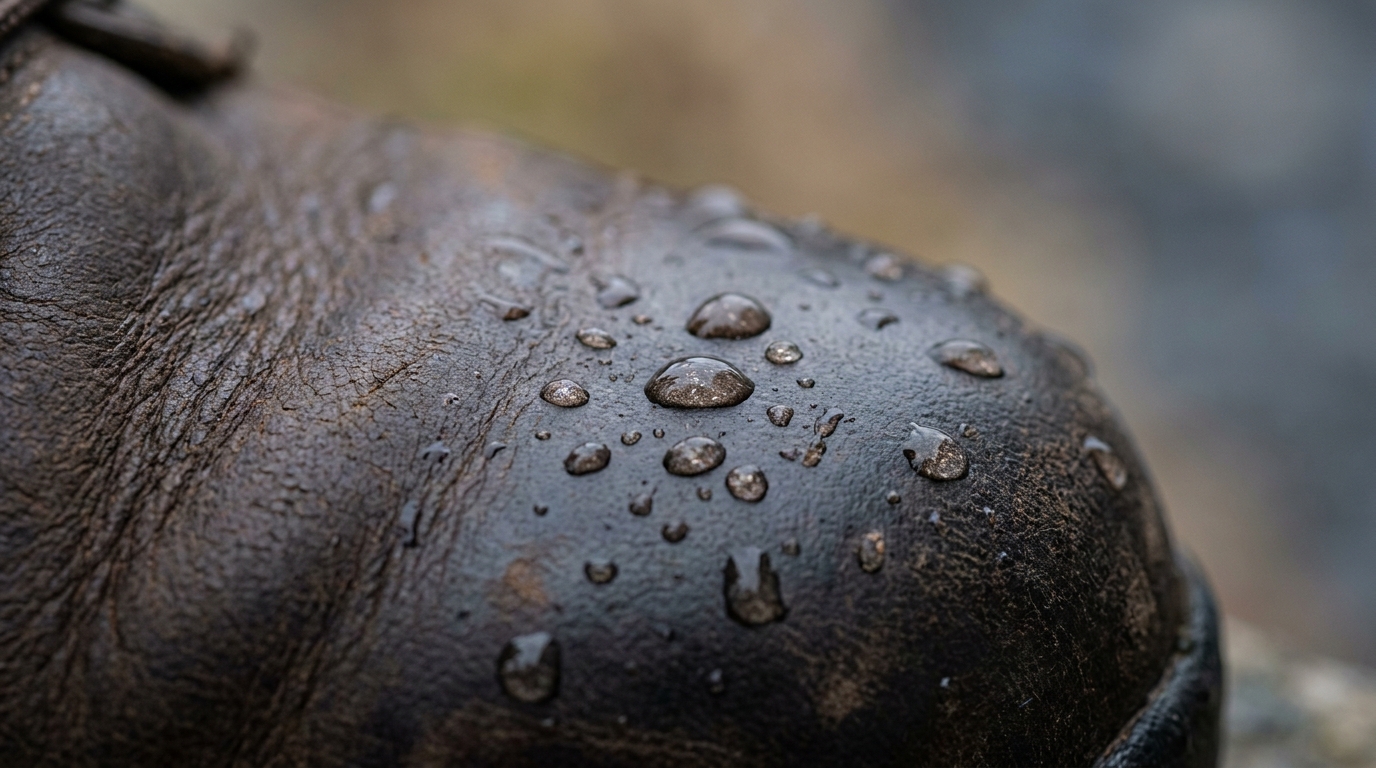
Your Boots Just Got Soaked. Here’s What Not to Do Next.
Rain doesn’t ruin leather. Bad drying does.
Every cobbler in this directory has seen the same casualty walk through the door: a decent pair of boots or oxfords, caught in a downpour, then “helped along” in front of a heater or with a hairdryer on high. The leather comes back stiff, cracked at the flex points, sometimes shrunk half a size at the vamp. None of that damage came from the rain. It came from what happened in the four hours afterwards.
Australian weather doesn’t make this easy. A Melbourne commute can go from dry to sideways rain and back in the time it takes to walk to the tram. A farm boot in the Riverina gets mud, not just water. A pair of RM Williams left in the boot of a hot car after a wet bushwalk gets both moisture and heat, which is the worst combination there is. This is a genuinely common problem, and the fix is mostly about patience and a few things done in the right order.
Step one: get the mud and grit off before anything else
Wipe or knock off loose mud and grit while the boots are still damp — it lifts away far more easily than once it’s dried and ground into the grain. Use a soft brush or a barely damp cloth, working with the grain rather than scrubbing across it. Grit left in the leather acts like sandpaper every time the boot flexes, which is how you get premature cracking at the featherline — the seam where the upper meets the welt.
Step two: pull the insoles and loosen everything up
Take the laces right out, pull back the tongue, and remove the insoles or footbed if they lift out. This opens the boot up so air can actually get to the lining, not just the outside. A boot that’s sealed shut by its own laces will trap moisture against the lining for days, which is exactly the environment mould and that unmistakable damp-boot smell need to get going.
Step three: stuff them — properly
This is where most of the damage-by-good-intentions happens. Newspaper is the traditional answer and it still works, but only if you’re diligent about it: pack it in firmly enough to hold the boot’s shape and pull moisture out of the lining, then swap it for dry paper every few hours for the first day. Leaving the same sodden wad of newspaper in there for two days does the opposite of what you want — it just holds the damp against the leather. Cedar shoe trees are the better long-term option if you’ve got them: cedar draws moisture out more gradually and holds the shape without the risk of newsprint transferring ink onto light-coloured linings.
Step four: dry slowly, away from any direct heat
This is the one rule that matters more than any other in this list. No radiators, no heater vents, no hairdryers, no leaving them on a sunny windowsill, and don’t be tempted by a warm car boot either. Direct or fast heat pulls moisture out of the leather too quickly, and leather that dries too fast shrinks and goes brittle — the fibres in the hide contract and lose the natural oils that keep them flexible. A cool, dry spot with reasonable airflow is genuinely all you need. It’ll take 24 to 48 hours depending on how soaked the boots were and how humid it is where you live. That’s normal. Let it happen.
Step five: recondition once they’re dry — not before
Once the boots are properly dry (not just dry to the touch — give them the full time), that’s when to bring back the oils and waxes the drying process pulls out. A leather conditioner or cream worked in with a soft cloth restores suppleness at the flex points, particularly across the vamp where the leather bends every step. Conditioning wet leather doesn’t help — the leather can’t absorb what it needs while it’s still full of water, and you risk sealing moisture in rather than letting it finish evaporating. If the boots are going to see more wet weather soon, a wax-based dressing or dedicated waterproofing treatment applied at this stage — while the leather is clean, dry and receptive — will do far more than trying to weatherproof boots that are already wet through.
What to do differently before the next downpour
If this is a recurring problem rather than a one-off — a work boot that’s wet through most winter mornings, or a daily pair that gets no say in the weather — the better fix is prevention. A quality leather conditioner and a topical waterproofing wax applied every few weeks through the wet months will keep water beading on the surface instead of soaking straight into the grain, which is the whole game. For everyday leather care fundamentals, including which products suit which finishes, our full leather shoe care protocol walks through cleaning and conditioning routines in more depth. Suede and nubuck need a completely different approach to wet weather — never treat them the same as smooth leather — and our suede and nubuck care guide covers that separately.
When it’s more than a drying job
Sometimes a soaking exposes a problem that was already there — stitching that’s started to let go, a sole that’s delaminating at the edge, or leather that’s cracked because it was dry and under-conditioned long before the rain got involved. If your boots come out of the drying process with stiffness that doesn’t ease up after conditioning, or you notice separation at the welt or sole edge, that’s a job for a cobbler rather than another round of cream. A proper sole protection or reproofing treatment — the kind offered by Unique Cobbler, Unley Shoe Repairs & Giftwares, or Mister Minit, Eastland Ringwood — goes well beyond what a tin of wax at home can manage, and it’s worth doing before the leather takes more damage than it needs to.
The short version
Get the grit off while it’s damp. Loosen everything up so air can move through. Stuff with newspaper or cedar trees and change it out. Dry slowly, away from heat, for as long as it takes. Condition once — and only once — it’s properly dry. Do that in order and a good soaking won’t cost you a pair of boots. Skip the order, or reach for a heater to speed things up, and it usually will.